
The Traditional Moroccan Hammam Experience
Steam, black soap, a firm scrub that leaves your skin…
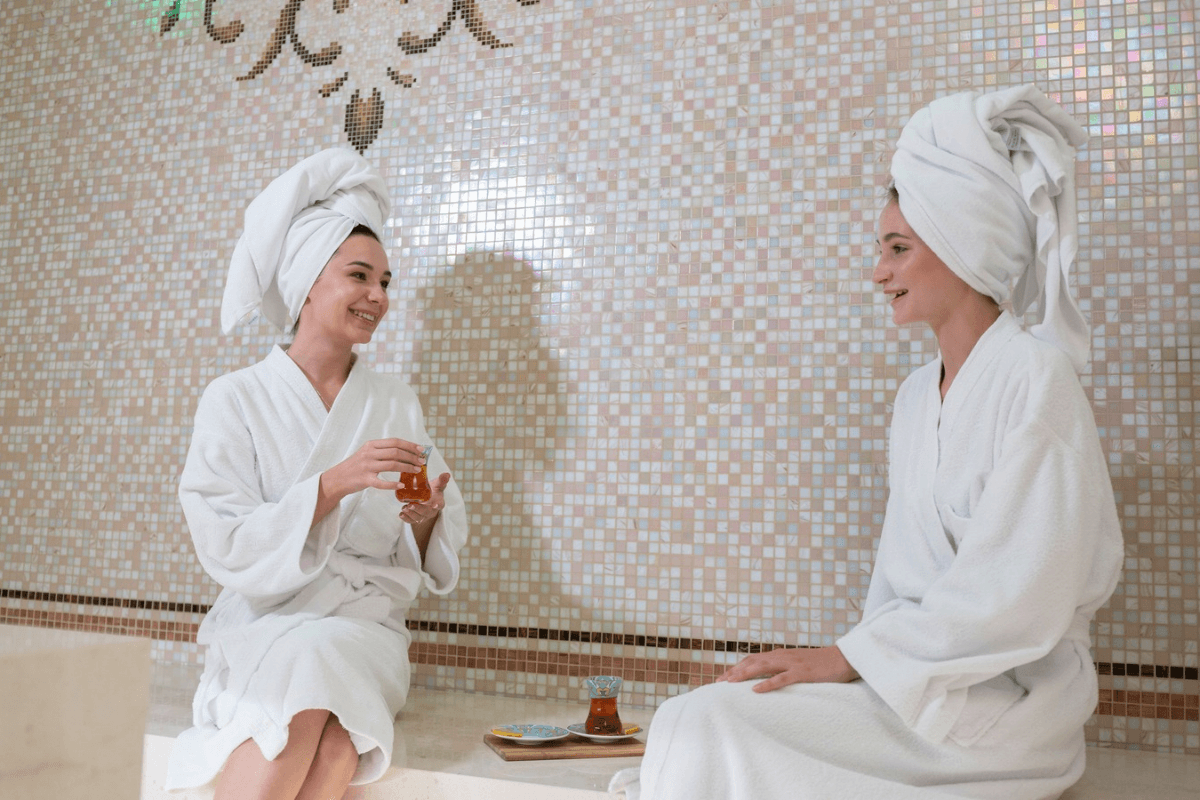
Steam, black soap, a firm scrub that leaves your skin feeling brand new: the traditional Moroccan hammam experience is one of the most memorable things you can do in Morocco. It is also one of the most misunderstood. First-timers often wonder what to wear, who will scrub them, and whether they will do something embarrassing. This guide walks you through everything, from the steps of the ritual to etiquette, costs, and how to choose between a neighborhood hammam and a luxury spa in Marrakech.
What Is a Traditional Moroccan Hammam Experience?
The hammam is a public steam bath with roots in Roman and Ottoman bathing traditions, and it has been part of daily life in Morocco for centuries. Historically, homes had no running water, so neighborhoods built shared bathhouses, often next to the local mosque and the communal bread oven. People went to wash, but also to rest, catch up with neighbors, and prepare for religious holidays and weddings.
Today, many Moroccans still visit weekly. A traditional Moroccan hammam experience is part hygiene routine, part social ritual, and part relaxation. Visitors can enjoy it in two main ways: at a local neighborhood hammam, where you wash alongside residents, or at a spa-style hammam designed with travelers in mind.
What to Expect During a Traditional Moroccan Hammam Experience
A typical hammam has three connected rooms, each warmer than the last. You move through them gradually so your body can adjust to the heat. The air is thick with steam, the floors and benches are tiled, and there are buckets and taps where you fill your own water. Lighting is dim, and the atmosphere is calm and unhurried.
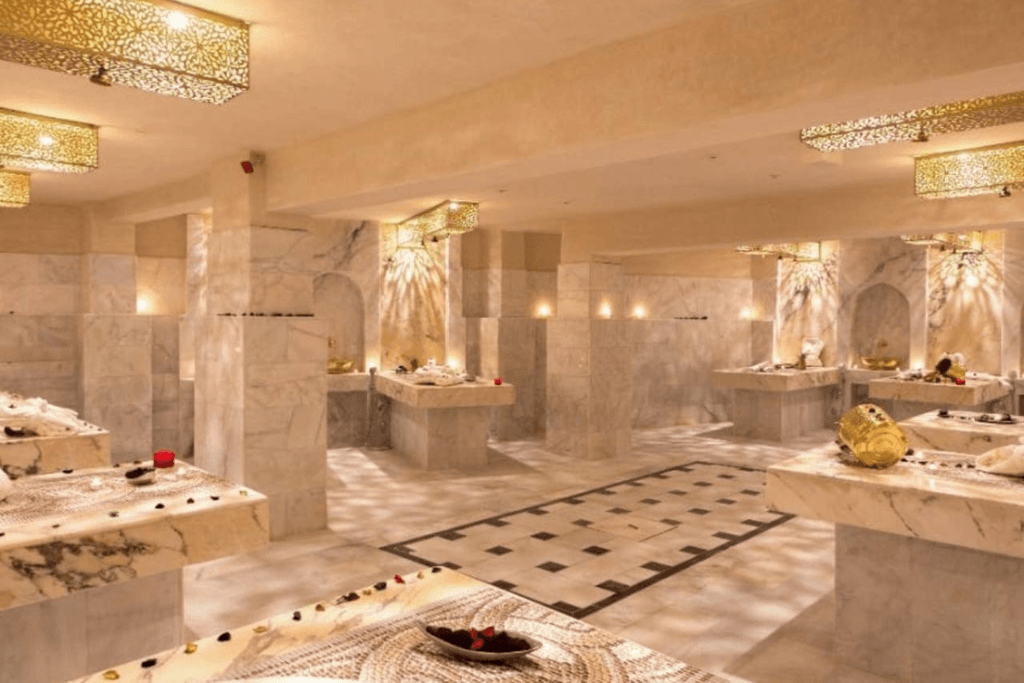
The Steps of a Traditional Moroccan Hammam Experience
While details vary from place to place, most visits follow the same sequence:
- Undress and store your things. You leave your clothes in a changing area or locker and keep only your bathing bottoms (or a towel).
- Warm up in the steam room. You sit for about 10 to 15 minutes in the hottest room, letting the steam open your pores and soften your skin.
- Apply black soap. You (or an attendant) smooth a layer of savon beldi over your body and let it rest for a few minutes.
- Rinse with warm water. Buckets of warm water wash off the soap and prepare the skin.
- Exfoliate with the kessa glove. This is the heart of the ritual. The scrub is firm and surprisingly effective, and you may be amazed at how much dead skin comes off.
- Rinse again. Another round of warm water clears away the exfoliated skin.
- Optional extras. Many hammams offer a ghassoul clay wrap, a shampoo, or a massage.
- Cool down. You finish with a rinse, wrap yourself in a dry towel, and rest with a glass of mint tea if one is offered.
🧖♀️ Book My Traditional Hammam Experience in Marrakech
Hosted by me – Small group, local hammam, black soap & kessa included
Traditional Moroccan Hammam Products: Black Soap and Kessa Glove
Two simple products define the hammam experience.
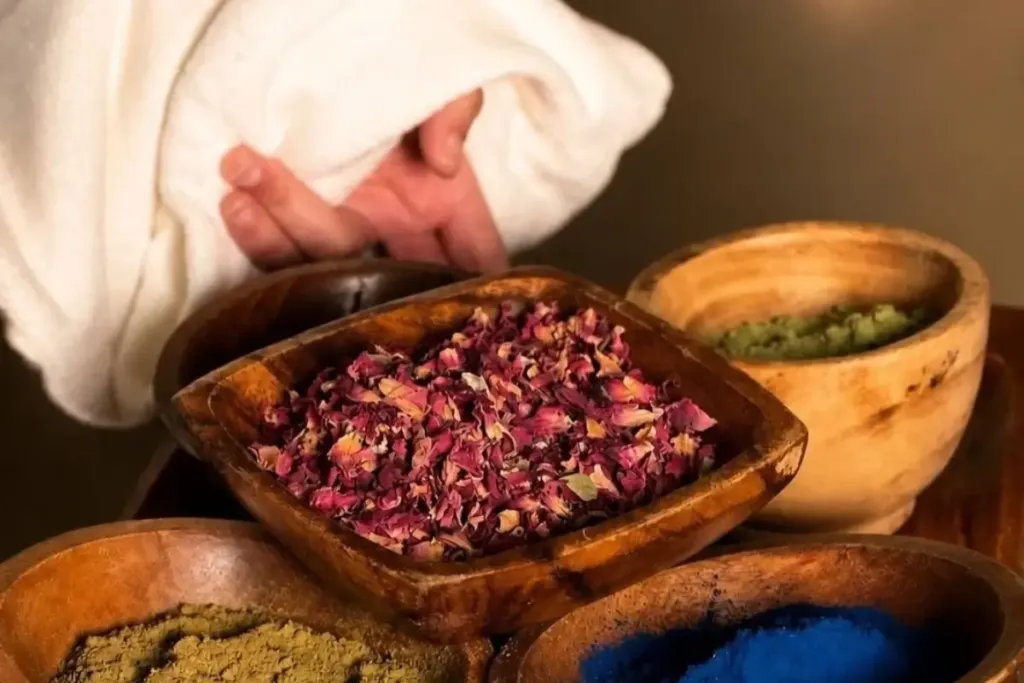
Black soap (savon beldi) is a soft, dark paste traditionally made from olive oil and olives. It has a gentle, earthy scent and softens the skin so that exfoliation is more effective and less harsh.
The kessa glove is a rough, textured mitt used to scrub away dead skin cells. Local hammams usually sell kessas for a few dirhams, and they make a practical souvenir.
You may also encounter ghassoul (also spelled rhassoul), a mineral-rich clay from the Atlas Mountains that is traditionally used as a body and hair cleanser and mask, and sometimes argan oil for moisturizing afterward.
Benefits of a Traditional Moroccan Hammam Experience
People love the hammam for good reason:
- Deep exfoliation. The soap-and-kessa combination removes dead skin and leaves it noticeably smoother.
- Relaxation. Warm steam and slow pacing help many people unwind, which is especially welcome after a day of walking through the medina.
- Cleansing. The steam and thorough washing leave you feeling fresh.
- A glimpse of local life. Especially in a neighborhood hammam, you take part in a daily ritual that has shaped Moroccan social life for generations.
- A restful break from sightseeing. After busy days in Marrakech’s souks, it is a gentle way to recharge.
A note on health claims: the hammam is a wellness ritual, not a medical treatment. If you have a heart condition, high or low blood pressure, are pregnant, or have skin conditions, check with your doctor first, as intense heat is not suitable for everyone.
Moroccan Hammam Etiquette: What First-Time Visitors Should Know
Hammam etiquette is relaxed and forgiving, especially for visitors. A few basics will help you feel comfortable.
What to Wear and Bring to a Traditional Moroccan Hammam
What to wear: Women typically wear underwear or a bikini bottom, and men wear underwear or swim shorts. In a local hammam, bathers are usually modest, so full nudity is not expected. Spa hammams often provide disposable underwear or a wrap.
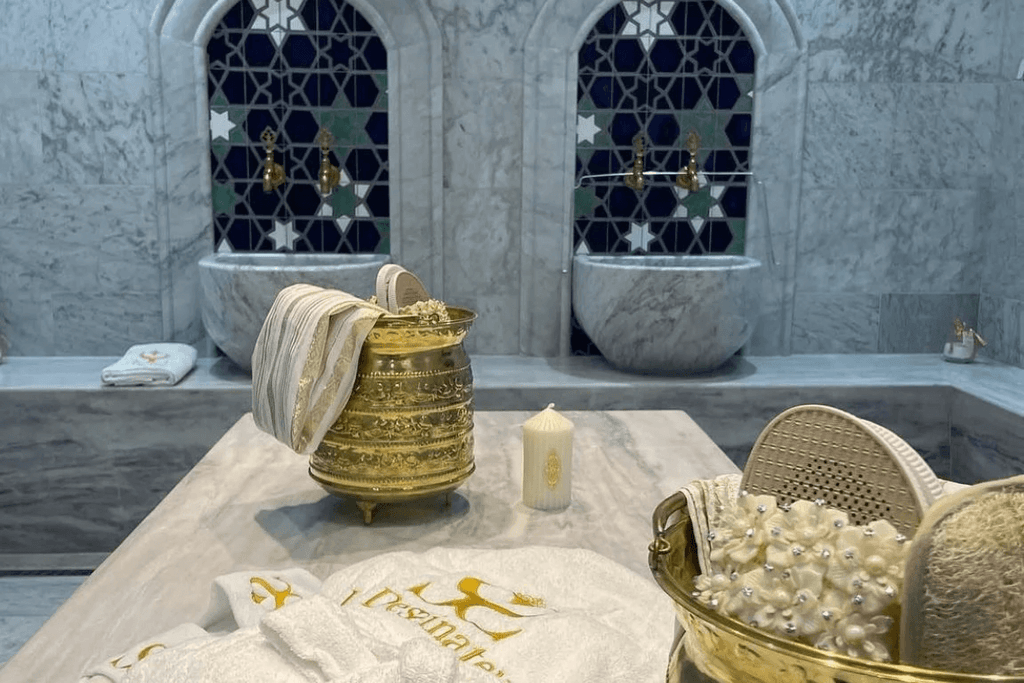
What to bring:
- A towel (or two, since many local hammams do not provide them)
- Flip-flops or sandals for the wet floors
- Your own kessa glove and black soap, or buy them on site
- Shampoo and any toiletries you prefer
- A change of clean underwear
- A small bag for wet items, and a bottle of water to drink afterward
Leave valuables at your hotel or riad. Bring only the cash you need.
Privacy, Customs, and Tipping Tips
- Separate spaces. Hammams are either single-gender or have separate hours for women and men. Check the schedule before you go.
- Modesty. Keep to your own space, avoid staring, and do not take photos inside.
- Speak softly. Hammams are calm, social places. A relaxed, respectful tone fits best.
- Attendants. In a local hammam, the attendant (tayeb for women, tayeb or kessal for men) may scrub you and wash your hair. If you prefer to do it yourself, politely say so.
- Water. Use the buckets and avoid wasting water. Rinse your area before leaving it.
- Tipping. Tipping the person who scrubs you is customary. A tip of around 10 to 20 dirhams is common at local hammams, and a bit more for exceptional service at a spa. Tip in cash.
- Be ready for a firm scrub. If it is too rough, simply say “shwiya” (gently) or “bshwiya.”
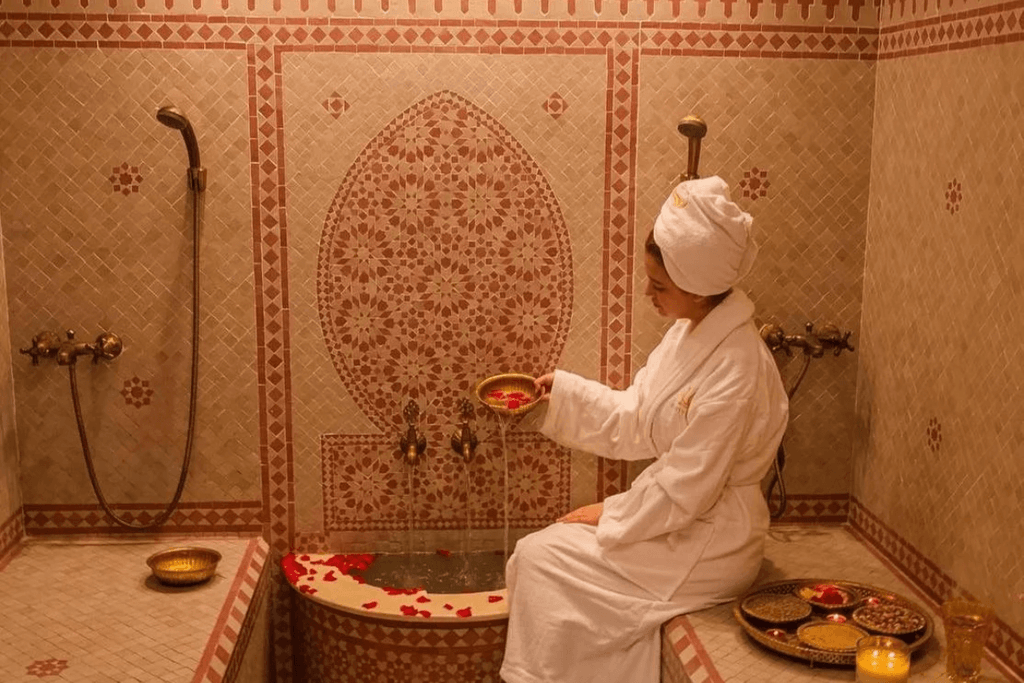
Traditional Moroccan Hammam Experience in Marrakech: Local Hammam vs. Luxury Spa
Marrakech offers both ends of the spectrum, and neither is wrong. It comes down to what you want from the visit.
Local neighborhood hammam
- Authentic, communal, and very affordable
- Basic facilities, shared spaces, and few comforts
- You usually bring your own towel and products
- Little English is spoken, so a few Arabic or French phrases help
- Best for travelers who want an authentic, local experience
Luxury or tourist-oriented spa hammam
- Private or semi-private rooms, clean modern facilities, and attentive staff
- Towels, products, and mint tea included
- Packages that add massage, ghassoul wraps, or argan oil treatments
- English-speaking staff and clear instructions
- Best for first-timers who want comfort and reassurance, couples, and anyone who prefers privacy
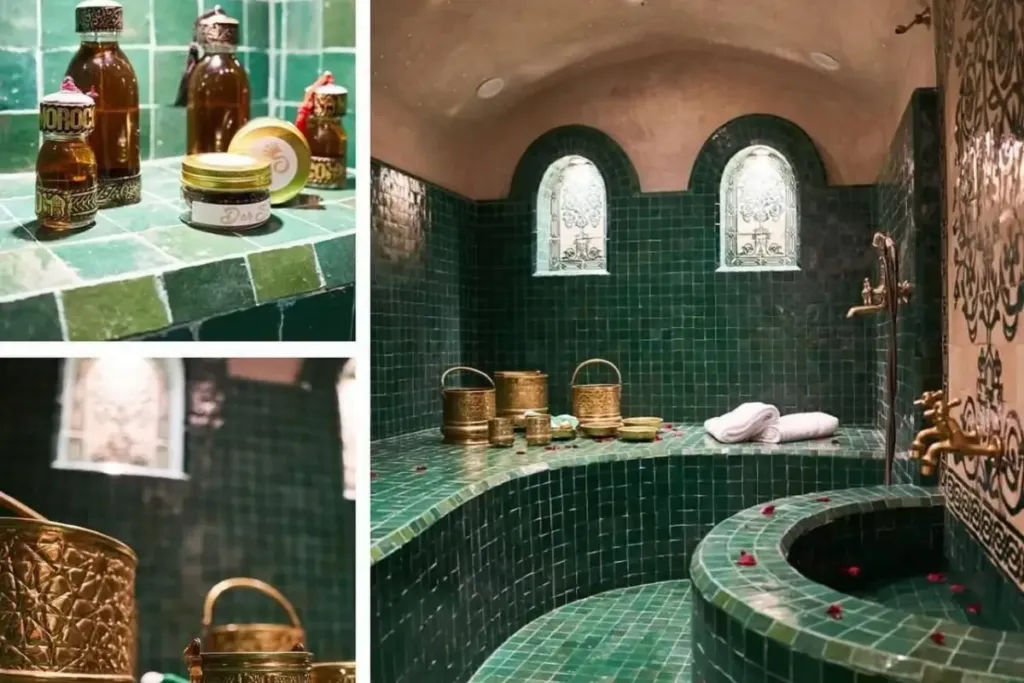
A good middle path is a mid-range hammam in or near the medina. These often offer a cleaner setting and English-speaking staff at a more modest price than a luxury spa, while still keeping a traditional feel. Many riads can also arrange a hammam and recommend one nearby.
🧖♀️ Book My Traditional Hammam Experience in Marrakech
Hosted by me – Small group, local hammam, black soap & kessa included
How Much Does a Traditional Moroccan Hammam Experience Cost?
Prices vary widely depending on where you go and what you add. The ranges below are rough guides, and prices change, so confirm before you book.
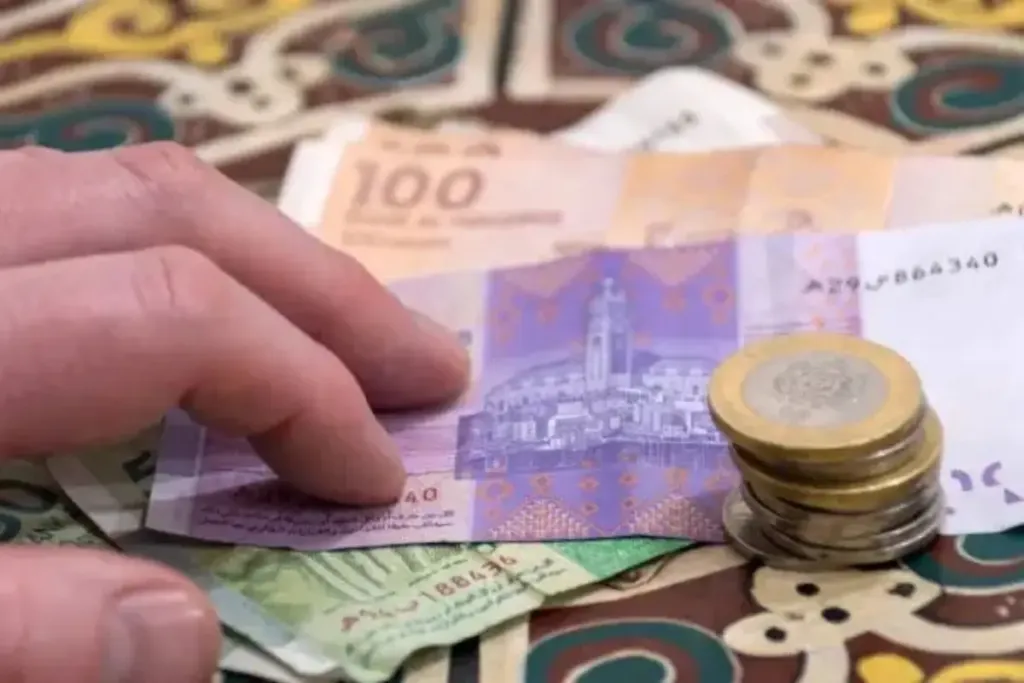
| Type of hammam | Approximate price (MAD) | What’s usually included |
|---|---|---|
| Local neighborhood hammam | About 10 to 20 for entry, plus extras | Entry only; scrub from an attendant costs extra |
| Mid-range tourist hammam | About 150 to 350 | Black soap, kessa scrub, mint tea |
| Luxury spa package | About 500 to 1,500 or more | Scrub, ghassoul wrap, massage, premium products |
Add the cost of a tip, and a kessa glove or soap if you buy them on site. Spa packages often make sense for first-timers, since the price includes everything you need and a clear explanation of what is happening.
🧖♀️ Book My Traditional Hammam Experience in Marrakech
Hosted by me – Small group, local hammam, black soap & kessa included
Frequently Asked Questions About the Traditional Moroccan Hammam Experience
How Long Does a Traditional Moroccan Hammam Experience Take?
A local hammam visit usually takes about 45 minutes to 1.5 hours. A spa package that includes extras like a massage typically takes 1 to 2 hours. Allow a little extra time to relax and cool down afterward rather than rushing back out into the heat.
Is a Traditional Moroccan Hammam Experience Suitable for Beginners?
Yes. The hammam is very beginner-friendly, especially if you choose a tourist-oriented or spa hammam where staff walk you through each step. If you are nervous, start with a mid-range or spa option. Go at your own pace, drink water, and leave the steam room if you feel dizzy.
Should You Book a Traditional Moroccan Hammam Experience in Advance?
Local hammams do not take bookings; you simply walk in during the correct hours for your gender. Spa and luxury hammams, on the other hand, are best booked ahead, especially in peak travel seasons and on weekends. Your riad or hotel can often book for you.
Final Thoughts
The hammam is more than a spa treatment. It is a long-standing part of Moroccan daily life, and trying it is one of the most rewarding ways to experience the culture in Marrakech. Whether you choose a humble neighborhood bathhouse or a polished spa, go with an open mind, bring your towel, and give yourself time to slow down. If you want more ideas for your trip, check out our guides to unique things to do in Marrakech and whether Morocco is safe for travelers.
Want me to take you ? I host small group in real local hammam in Marrakech.
🧖♀️ Book My Traditional Hammam Experience in Marrakech
Hosted by me – Small group, local hammam, black soap & kessa included