
Is Morocco Safe? A Complete Guide for Travelers
Is Morocco safe for tourists? Get tips on scams, solo and female travel, Marrakech, the Sahara, health and emergencies before you go
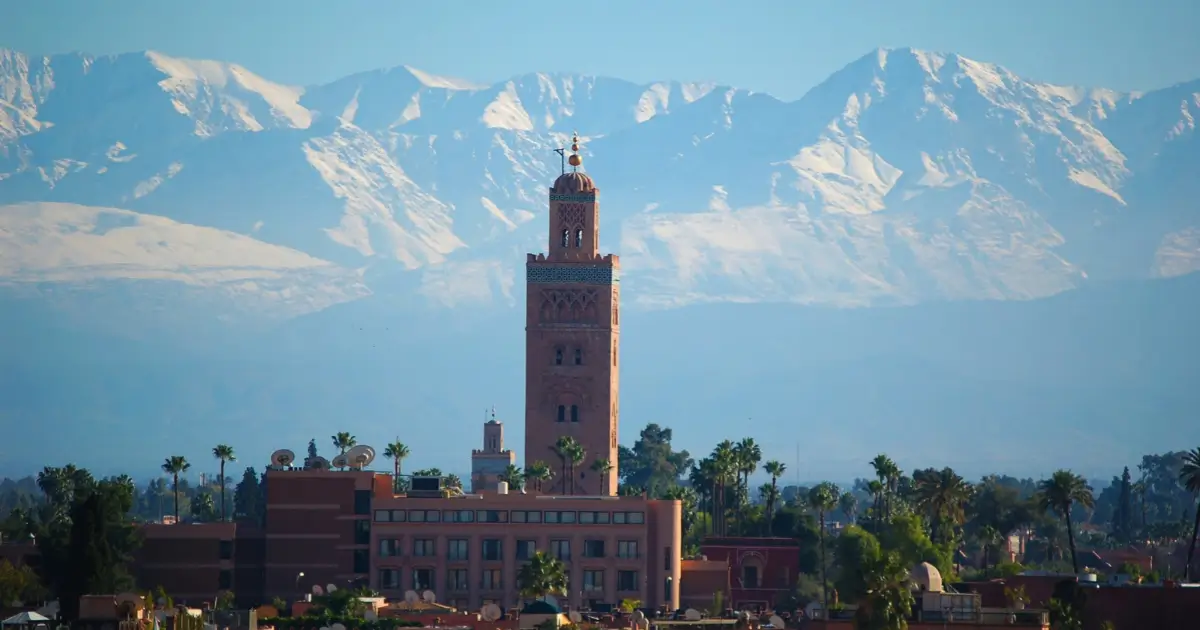
Morocco is one of the most rewarding destinations in North Africa: ancient medina mazes, blue washed mountain towns, and golden dunes that stretch to the horizon. It is also a place that makes first-time visitors ask the same question before they book: is Morocco safe?
The short answer is yes, for the vast majority of travelers. Millions of tourists visit every year and leave with nothing worse than a lighter wallet from too much shopping. Like any popular destination, though, Morocco has its own risks and rhythms. This guide covers what to watch for, how to handle it, and how to enjoy the country with confidence.
Is Morocco Safe to Visit?
Morocco is generally considered safe for tourists. It is a politically stable country with a long established tourism industry, visible police presence in major cities, and a culture of hospitality that most visitors experience warmly.
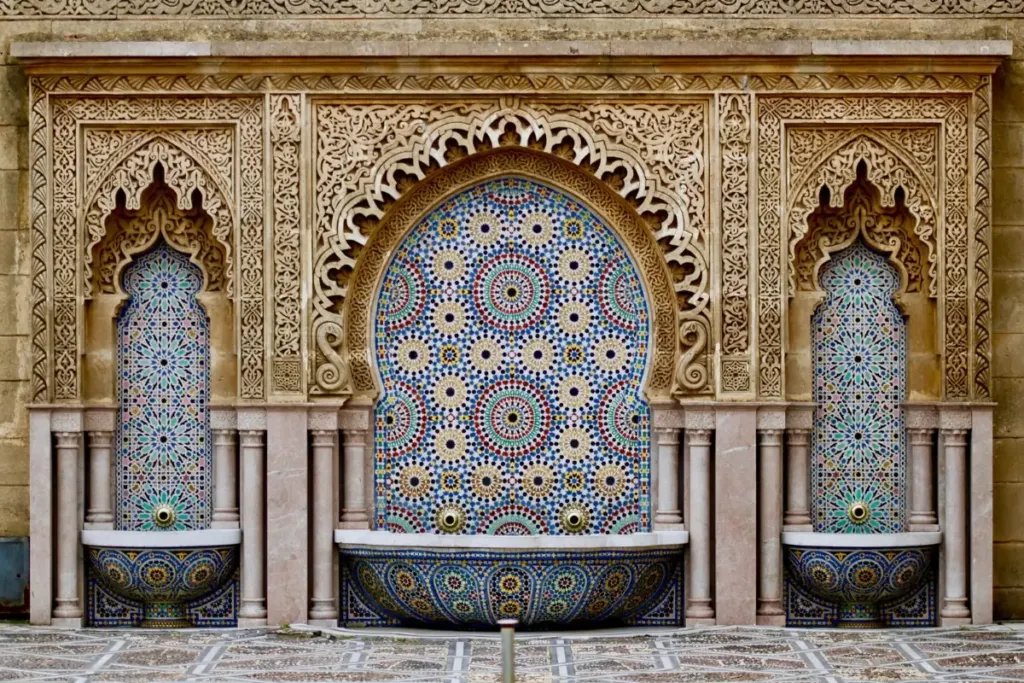
Serious violent crime against tourists is uncommon. The problems travelers actually run into are petty and predictable: pickpocketing, persistent touts, overcharging, and traffic. Most of them are avoidable once you know what to expect.
Travel conditions can change, so check your government’s current travel advisory shortly before you leave, and again if you are traveling for a long stretch.
What Are the Main Safety Risks in Morocco?
The risks are mostly everyday ones. Knowing them in advance is most of the protection you need.
Common Scams and Pickpocketing
Pickpocketing happens in crowded places such as medina alleys, souks, train stations, and busy squares. Keep valuables in a front pocket or a zipped cross-body bag, and leave your passport in your accommodation when you don’t need it (carry a photocopy or a photo of it instead).
The most common scams are low-stakes but irritating:
- The “closed” street. A friendly stranger tells you the road or attraction you want is closed and offers to guide you somewhere else, usually to a shop where he earns a commission.
- Unofficial guides. Self-appointed guides will attach themselves to you in the medina and ask for payment afterwards. A polite but firm “la, shukran” (no, thank you) and continuing to walk works best.
- Taxi pricing. Some drivers will claim the meter is broken. Insist on the meter in cities where it is used, or agree on the fare before you get in.
- Henna and photo offers. In places like Jemaa el-Fna, henna artists may start decorating your hand before you’ve agreed to anything. Likewise, snake charmers and street performers expect payment for photos. Decline early and clearly.
In almost every case, a calm, friendly refusal is enough. Aggression is rare.
Road Safety and Transportation
Road accidents are among the more serious risks for visitors. Driving styles can feel unpredictable, particularly in cities and on mountain roads, and rural roads may be poorly lit or shared with pedestrians, animals, and slow vehicles.
- Avoid driving at night outside cities if you can.
- Mountain passes, including those across the Atlas, demand patience and daylight.
- If you rent a car, check the vehicle carefully, take photos of any existing damage, and confirm your insurance coverage.
- Trains and long-distance buses between major cities are a comfortable, practical alternative to driving. Morocco’s rail network connects many of the main destinations.
- Use official petit taxis within cities and grand taxis for shared intercity trips.
Is Morocco Safe for Solo and Female Travelers?
Many people travel Morocco alone and have excellent trips. A little extra awareness goes a long way, particularly for women.
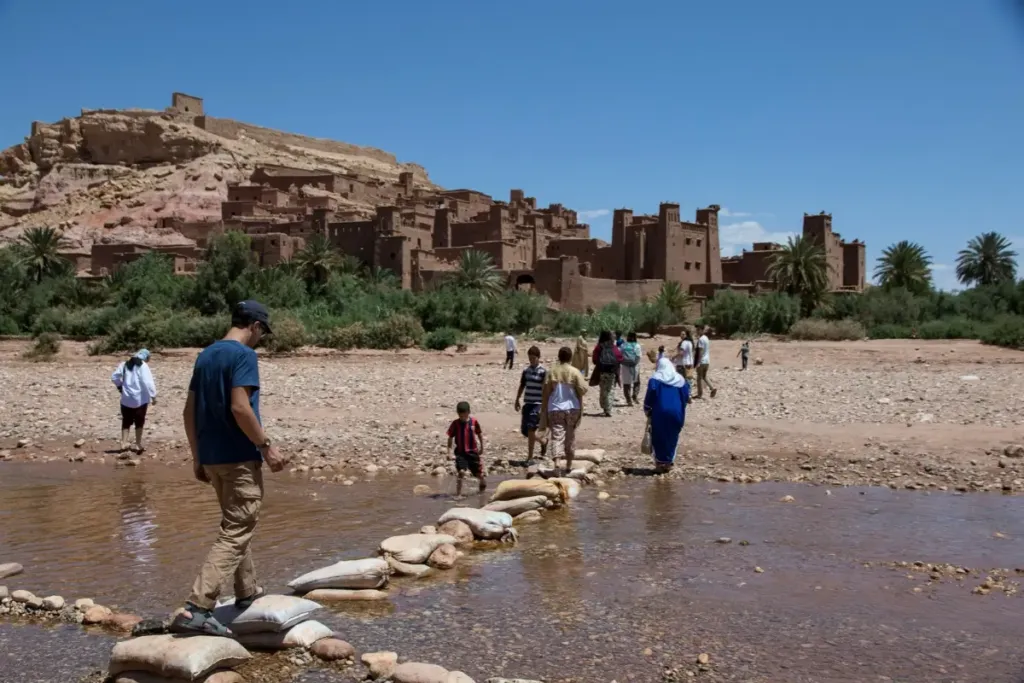
Is Morocco Safe for Solo Travelers?
Yes. Solo travelers can move around Morocco independently, and many guesthouses (riads) and hostels are welcoming places to meet others. The main downside of traveling alone is that you receive more attention from touts and vendors, simply because you have no companion to deflect it.
To make solo travel smoother:
- Book your first night or two in advance, especially if you arrive late, and ask your riad to arrange a pickup from the airport or station so you don’t navigate the medina in the dark.
- Share your itinerary with someone back home.
- Download offline maps. Medina streets are narrow and many are unnamed, and GPS can be unreliable between high walls.
- Consider a local guide for your first day in a big medina. An arranged, pre-agreed guide is far more relaxing than fending off unofficial ones.
Safety Tips for Women Visiting Morocco
Women travelers frequently report verbal attention, including catcalling and unwanted comments, particularly in busy tourist areas. It is usually more annoying than dangerous, but it can wear on you. These strategies help:
- Dress modestly. Loose clothing that covers shoulders and knees is not required by law for visitors, but it reduces attention and is more comfortable in the heat and in more traditional areas. A light scarf is handy.
- Ignore and keep moving. Eye contact and engagement can encourage persistence. A firm “no” or simply walking on is usually enough.
- Choose your accommodation carefully. Read recent reviews from other women travelers, and favor places with good reputations for hospitality and security.
- Be cautious with late-night walks in quiet or poorly lit areas. Taxis are a sensible option after dark.
- Trust your instincts. If a situation feels uncomfortable, step into a shop, café, or riad, or ask a woman or family for help. Moroccans are often quick to intervene on a visitor’s behalf.
If harassment becomes threatening, contact the local police or tourist police, and your embassy or consulate if you need further support.
Is Morocco Safe in Popular Destinations?
Safety varies a little from place to place, mostly in the type of attention you’ll get and the kind of preparation you need.
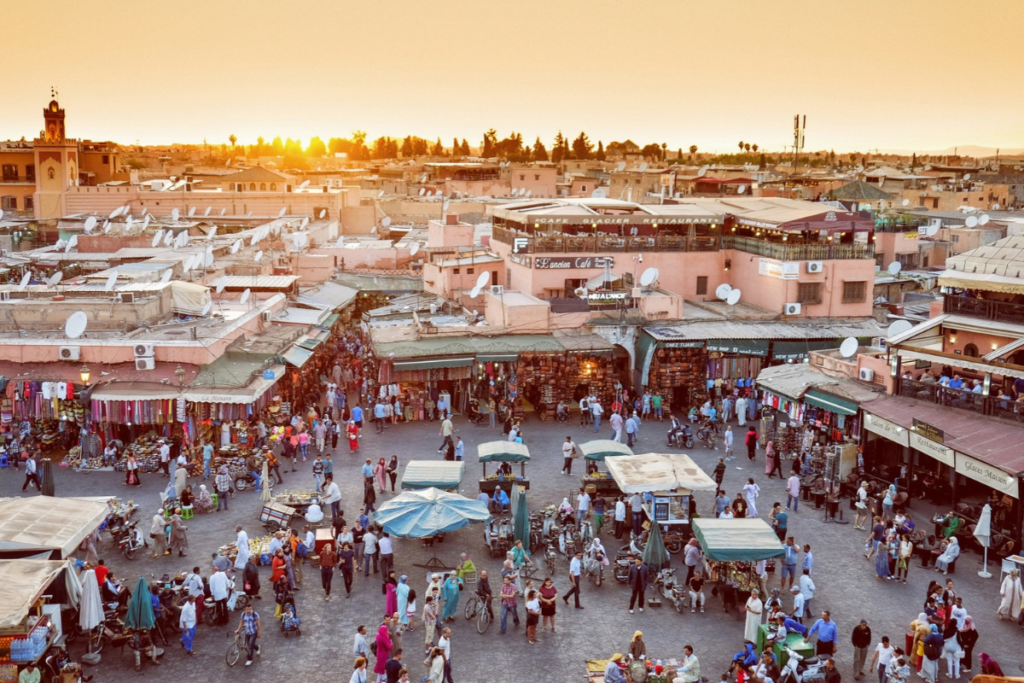
Safety in Marrakech
Marrakech is lively, crowded, and the place where most first-time visitors encounter touts, unofficial guides, and persistent vendors. The Jemaa el-Fna square and the souks are the busiest zones for pickpocketing and hassle.
Keep your bag zipped and in front of you, agree prices before buying or accepting services, and don’t be afraid to say no. Beyond that, Marrakech is a well-visited and generally safe city with plenty of hotels, riads, and restaurants used to international guests.
Safety in Chefchaouen
The “Blue City” is quieter and more relaxed than Marrakech, and many travelers find it one of the easiest places in Morocco to feel at ease. The medina is small and walkable, and the pace is slow.
The main thing to be aware of is that you may be approached with offers to buy hashish, as cannabis is grown in the surrounding Rif region. It is illegal, and tourists are not exempt from the law, so decline politely. Hiking in the nearby hills is rewarding, but go with a guide or tell your accommodation your plans, and carry water.
Safety in the Sahara Desert and Atlas Mountains
Desert and mountain trips are adventurous, and the risks are more about nature than crime.
- Book with a reputable operator for Sahara excursions, and check recent reviews. Confirm what is included, such as meals, water, and transport, before you pay.
- Prepare for temperature swings. Desert days can be hot and nights surprisingly cold. Bring layers, sun protection, and plenty of water.
- In the Atlas Mountains, weather can change quickly, and trails can be remote. Hire a licensed local guide for trekking, particularly in winter or when snow is possible.
- Long drives are tiring. The road from Marrakech to the desert crosses high passes; build in rest stops and don’t rush.
Health and Food Safety in Morocco
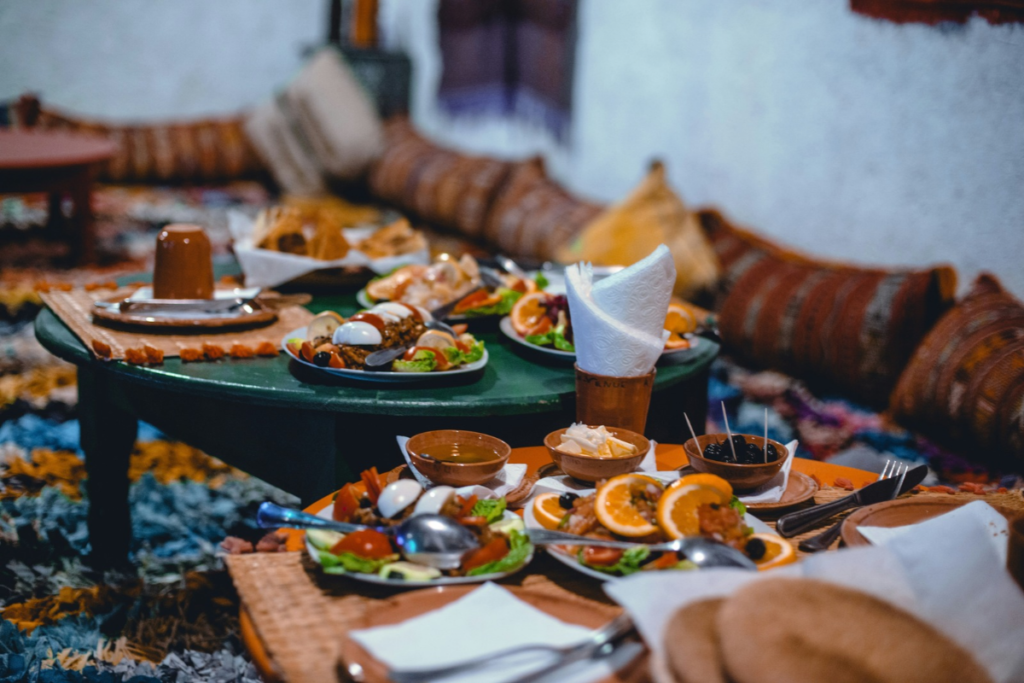
Moroccan food is one of the great pleasures of a trip, and most travelers eat well without any trouble. A few sensible habits reduce the chance of an upset stomach:
- Drink bottled or filtered water, and check that bottle seals are intact. Be cautious with ice in drinks if you are unsure of the source.
- Choose busy restaurants and street stalls where food is cooked fresh and turnover is high.
- Wash or peel fruit and vegetables, and be careful with raw salads in small or unfamiliar places.
- Carry hand sanitizer, rehydration salts, and any regular medication you need.
- Protect yourself from the sun. Hats, sunscreen, and shade matter more than most visitors expect, especially in summer and in the desert.
Before you travel, check which vaccinations are recommended with your doctor or a travel health clinic, and make sure your travel insurance covers medical care and, if relevant, evacuation.
Practical Tips for Staying Safe in Morocco
A handful of habits cover most of what you need:
- Keep copies of key documents. Store scans of your passport, insurance, and bookings in the cloud.
- Carry small change. It makes paying for taxis and small purchases easier and avoids disputes over change.
- Agree on prices first. For taxis without meters, guides, and services, settle the cost up front.
- Use ATMs inside banks or in busy, well-lit areas, and cover the keypad.
- Respect local customs. Ask permission before photographing people, dress modestly around mosques and in rural areas, and be mindful during Ramadan, when eating and drinking in public may be less appropriate in some places.
- Know the law. Drugs are illegal, and penalties can be serious. Public displays of affection and some behaviors that are accepted elsewhere may attract disapproval or legal trouble.
- Get a local SIM or eSIM so you can use maps, translation, and ride or call services when you need them.
- Buy travel insurance that covers theft, medical needs, and cancellations.
What to Do in an Emergency in Morocco
If something goes wrong, stay calm and move to a safe place first.
- Police and emergency services. Morocco has separate numbers for the police, the Royal Gendarmerie (which covers rural areas), and civil protection for ambulance and fire. Confirm the current numbers before your trip and save them in your phone.
- Theft or loss of documents. Report it to the local police and get a written report, which you will need for insurance claims. Then contact your embassy or consulate to replace a lost passport.
- Medical help. Larger cities have good private clinics and hospitals; ask your hotel or riad for the nearest recommended facility. Contact your insurer early, as many require approval for treatment or evacuation.
- Natural events. Morocco sits in an earthquake-prone region. If you feel shaking, protect yourself and follow local authority guidance, and check for updates from your embassy.
- Keep your embassy’s contact details handy, and register with your government’s traveler program if one is available.
Frequently Asked Questions About Morocco Safety
Is Morocco Safe at Night?
Main tourist areas in cities such as Marrakech, Fes, and Casablanca are lively in the evening and generally feel safe, with plenty of people around. As anywhere, stay in well-lit, busy areas, avoid wandering through quiet medina alleys alone late at night, and use a taxi or arranged transport to get home. Outside cities, avoid traveling by road after dark where possible.
Can Tourists Travel Around Morocco Independently?
Yes. Many visitors travel independently by train, bus, and shared or private taxi, and the main routes between popular cities are easy to follow. Guided tours can make sense for desert trips, mountain treks, and your first day in a complicated medina, but they aren’t required for most of the country.
What Should Tourists Avoid in Morocco?
- Accepting help from unofficial guides without agreeing a price first
- Carrying large amounts of cash or wearing flashy jewelry
- Buying or using drugs, including hashish offered in the street
- Driving at night on rural roads
- Photographing people without permission, and photographing military or government buildings
- Drinking tap water if you have a sensitive stomach
- Disrespecting religious customs and sites
Final Thoughts
So, is Morocco safe? For most travelers, yes. With sensible precautions, a clear sense of the common scams, and respect for local customs, you are far more likely to remember the warmth, flavors, and landscapes than any problem. Do your research, stay flexible, and go with an open mind.